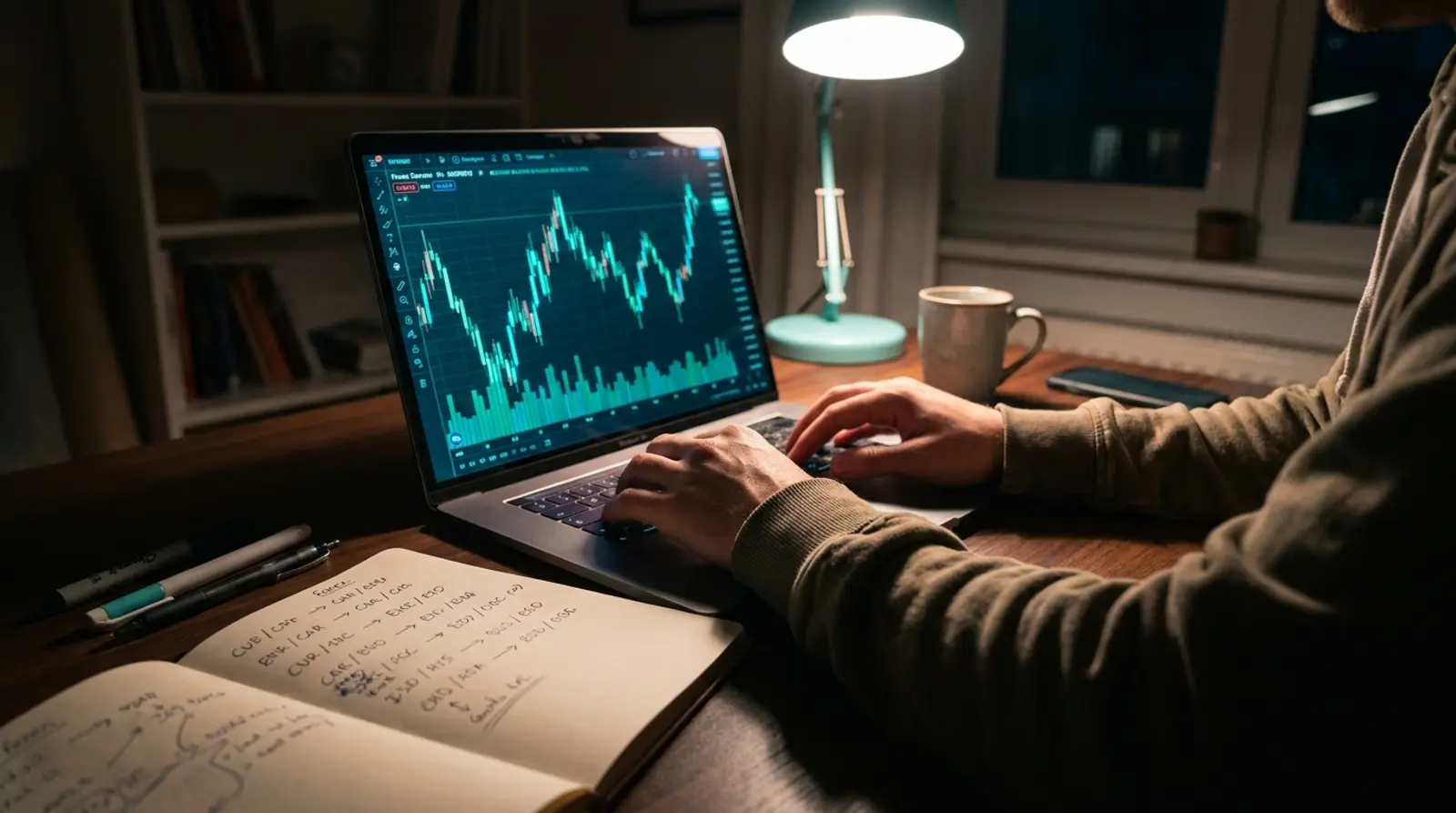
Want to start trading Forex but have no idea where to begin, and afraid of losing money before you even understand it? This beginner Forex trading guide walks you through the process step by step — from understanding how Forex actually works to the safest order of operations for getting started in 2026.
We focus on the right "mindset" and "learning order" rather than pointing you toward quick-profit shortcuts, because what keeps beginners alive in this market is not guessing correctly but managing risk with discipline. The guide covers the basics you need to know, building a trading plan, money management, common mistakes, and the role of an EA/VPS when you are ready to move on to automation.
Important note: this article is for educational purposes only and is not investment advice or a solicitation to trade. Forex trading carries high risk and you can lose your entire deposit. Always study carefully and assess the risk yourself before trading with real money.
How Forex Trading Works (in Brief)
Forex (Foreign Exchange) is the global currency exchange market. Trading Forex means speculating on the price difference between two currencies grouped into a "currency pair," such as EUR/USD. If you think the base currency will strengthen, you buy; if you think it will weaken, you sell. Your profit or loss comes from whether the price moves with or against your prediction.
The Forex market is open 24 hours a day, Monday through Friday, with high liquidity and volatility driven by economic factors, interest rates, and major news worldwide. Understanding this big picture first helps you know what you are dealing with. If you want to go deeper into the fundamentals, read our "What is Forex" article to build a solid foundation before you start.
The Basics Every Beginner Must Know First
Before you place your first order, there are a handful of terms and concepts you need to understand, because every platform uses them. Skip them without understanding and you can easily miscalculate your risk and position size.
- Currency pair — you always trade in pairs, e.g. EUR/USD, USD/JPY. The first currency is the base, the second is the quote.
- Pip — the smallest unit of price movement, used to measure the profit/loss of a position.
- Lot — the size of a trade. Beginners should start with a micro lot (0.01) to limit risk.
- Leverage — a multiplier that amplifies both profit and loss. The higher it is, the riskier; use it carefully.
- Spread — the difference between the bid and ask price, effectively your trading cost paid to the broker.
Trading Forex Step by Step: How to Start Safely
Here is the recommended order for beginners who want to start systematically. The key is not to rush into real money — practice on a demo account until you are confident, then move up one step at a time.
- 1Learn the fundamentals first — the meaning of currency pairs, key terms, basic chart reading, and most importantly "risk." Do not put money in based on ads promising easy profits.
- 2Open a demo account and practice — trade with virtual money on the MT4/MT5 platform, get comfortable placing orders and setting Stop Loss/Take Profit until it feels natural, all without risking real money.
- 3Build a trading plan — decide which pairs and time frames you will trade, your entry and exit conditions, and how many percent of your account you will risk per trade. Write it out as clear rules.
- 4Manage your money and risk — set the amount you can afford to lose, use a Stop Loss on every order, and keep the risk per trade a small fraction of your account (typically no more than 1–2%).
- 5Start live with a small amount — once you can trade profitably on demo consistently, begin with a micro lot and money you could accept losing entirely, then scale up gradually as you are ready.
Risk and Money Management (the Heart of Survival)
Many beginners focus on "where to enter," but what truly separates survivors from those who blow up their accounts is risk management — because nobody guesses right every time. What you can control is "how much you lose when you are wrong," not whether you are wrong.
The key tool is the Stop Loss, an order that automatically cuts your loss when price reaches a set level, keeping damage from snowballing. Pair it with sizing your lots to fit your account and keeping the risk per trade small, so that even after several losses in a row, your account survives.
| Risk principle | What to do | Why it matters |
|---|---|---|
| Set a Stop Loss on every trade | Define your cut-loss point in advance | Limits the damage when you are wrong |
| Cap risk per trade | Risk only a small fraction of your account | Several losses in a row and your account survives |
| Use an appropriate lot size | Start with a micro lot | Stops a single order from wrecking your account |
| Beware of leverage | Use a moderate multiplier | High leverage accelerates losses |
Mistakes Beginners Commonly Make
Knowing in advance which traps most people fall into helps you dodge them early. These mistakes are not about skill — they are mostly about discipline and emotional control.
- Skipping the demo account and rushing into real money before understanding the market.
- Not setting a Stop Loss, or moving it away to avoid accepting a loss.
- Using excessive leverage in hopes of a fast, big win.
- Trading on emotion — revenge trading the market after a loss.
- Chasing ads that promise guaranteed profits or get-rich-quick systems, which are usually scams.
- Having no trading plan and entering or exiting purely on feeling.
Risks You Must Accept Before You Start
You need to be clear that Forex trading is not a shortcut to wealth and does not guarantee profit. Many beginners lose money, especially early on. Price can move against your prediction very quickly, and leverage only accelerates losses.
This article is for educational purposes only and is not investment advice. Investment decisions are your own responsibility. Trade only with money you can afford to lose, study thoroughly, and if unsure, consult a licensed financial professional.
- You can lose your entire deposit, especially with high leverage.
- The market is volatile due to news and hard-to-predict events.
- Beware of scams and pitches that promise guaranteed returns.
- Hidden costs (spread, commission, swap) eat into your returns.
The Role of EAs and a VPS When You Are Ready to Automate
Once you have traded manually long enough to understand the market and have a clear strategy, many people want to reduce screen time by using an EA (Expert Advisor) — a program that opens and closes orders automatically based on preset conditions. The upside is that it works with discipline, without emotion, and keeps running even when you are away. But an EA is not a money printer; it is only as good as the strategy behind it and must be tested before going live.
The limitation of an EA is that it only works while the MT4/MT5 platform is open and connected to the internet at all times. Run it on your home PC and a power cut or dropped connection stops the EA and can make it miss key moments. That is why EA traders favor a Forex VPS — a virtual server that stays on 24 hours a day in a data center with backup power and internet, letting your EA run continuously without leaving your home computer on.
When You Are Ready to Automate Trading with an EA
Keep your EA running without interruption on a Plusweb Forex VPS — MT4/MT5 support · Windows Server · low latency · high uptime · from ฿250/month, provisioned automatically in minutes.
Frequently Asked Questions
How should a beginner start trading Forex?
Start by learning the fundamentals (currency pairs, pips, lots, leverage, and risk). Then open a demo account and practice with virtual money until you are comfortable, build a trading plan and risk-management rules, and only then begin live with a small amount you can afford to lose. Do not rush into real money before you understand the market.
How much money do you need to start trading Forex?
Some brokers let you open a live account with a modest amount, but as a beginner you should practice on a demo account first until you can trade profitably and consistently, then start with only a small amount you can afford to lose. Never trade with money you need for daily living.
How long should you practice on a demo account before going live?
There is no fixed number, but you should practice until you are comfortable with the platform, can place orders and set a Stop Loss fluently, have a clear trading plan, and can trade profitably on demo consistently over a period of time. The goal is to prove your discipline and system before risking real money.
Can Forex trading make you rich quickly?
You should not expect that. Forex trading carries high risk and you can lose your deposit. Many beginners lose money early on, and no system guarantees profit. If anyone claims they can make you rich quickly or guarantees returns, be careful — it may be a scam.
Should a beginner trade manually or use an automated EA?
Early on, trade manually on a demo account to understand the market and risk management. Once you have a clear strategy, you can consider an EA. Note that an EA does not guarantee profit and must run on MT4/MT5 that stays on at all times, which is why most traders use a Forex VPS to keep the system running 24/7.
GUIDES
Related articles
Keep reading on similar topics
What Is Forex? How to Start Trading — Beginner's Guide 2026
A complete beginner's roundup — what forex is, what forex trading involves, how the foreign exchange market works, plus the basic terms (currency pairs, pip, lot, leverage, spread), how to start safely, and the risks you must know before going live.
Read more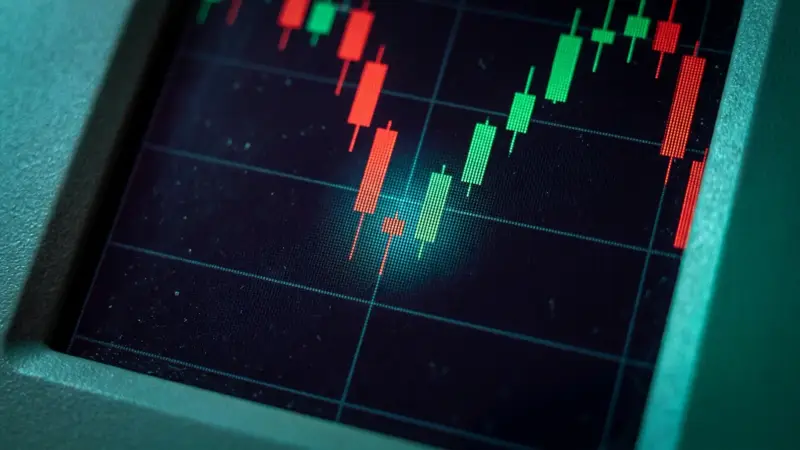
How to Read Candlestick Charts + Popular Reversal Patterns
Learn to read candlestick charts from zero — candle structure (open/high/low/close and wicks), bullish and bearish candles, popular reversal patterns (Doji, Hammer, Engulfing, Pin Bar, Morning/Evening Star), and the cautions to always read alongside context.
Read more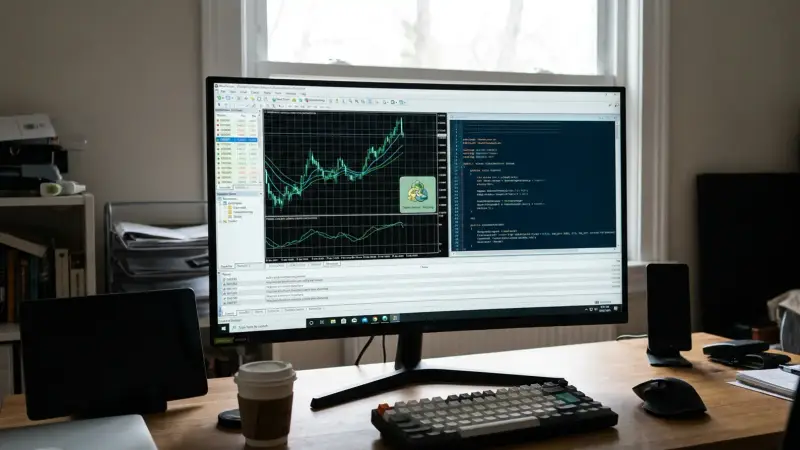
What Is a Forex EA? How It Works, Is It Safe, and How to Run It Without Drops
A complete guide to the Forex EA (Expert Advisor) — what it is, how it works on MT4/MT5, how many types there are, whether it's safe, plus the red flags of dream-selling EAs and why an EA needs to run 24/7 on a VPS.
Read more